How to Prepare Your Home Electrical System for Storms and Emergencies
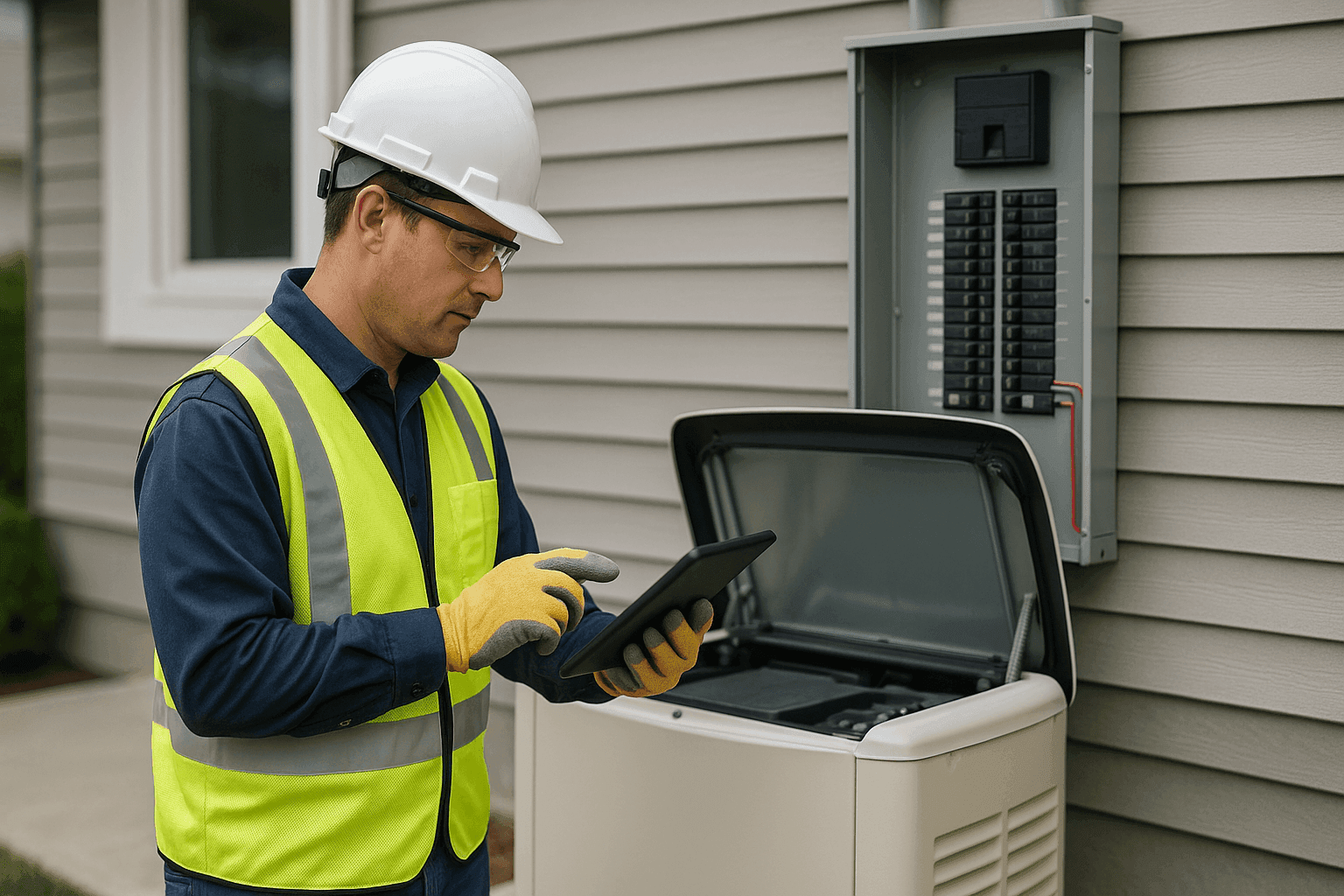
When the sky darkens and thunder rumbles, most people worry about trees or loose roof shingles. But your home's electrical system faces its own storm risks—ones you can't always see, but can absolutely prepare for.
Storm season doesn’t wait. Neither should you. Whether it’s hurricane winds, ice storms, or spring lightning, protecting your home’s wiring and power isn’t just smart—it’s essential. At IHG Electric, we help families ready their homes for anything the weather throws at them.
Risks Severe Weather Poses to Home Electrical
A storm is more than just rain and wind. It’s a stress test for every wire, outlet, and appliance in your house.
- Power surges: Like a tidal wave for your electronics—quick, destructive, and often invisible. These can fry TVs, computers, and even major appliances in an instant.
- Outages: A blackout plunges your home into darkness, but also stops sump pumps, fridges, and medical devices cold.
- Flooding: Water and electricity are a dangerous mix. Flooded basements can damage outlets, wiring, and panels.
- Fallen trees/power lines: Downed lines can send unpredictable voltage spikes or even live current into your home.
Every storm brings its own blend of risks. The National Fire Protection Association (NFPA) has seen a rise in electrical fires and damage after major storms, often from avoidable hazards.
Essential Pre-Storm Prep Steps ⚡
Before the clouds roll in, a few simple steps can help you dodge disaster. Think of it like buckling your seatbelt before starting the car.
- Schedule an Electrical Safety Inspection: Have an electrician check for outdated wiring, loose panels, or overloaded circuits. Search for "Electrical Safety Inspections near you" to find a qualified pro.
- Install Whole-Home Surge Protection: This acts like a pressure-relief valve, diverting dangerous spikes away from your sensitive gadgets.
- Unplug Unnecessary Electronics: TVs, computers, and smart home hubs should be unplugged or plugged into a surge protector.
- Test Smoke & Carbon Monoxide Detectors: Replace batteries and press the test button to make sure alarms are working.
- Secure Outdoor Outlets & Fixtures: Weatherproof covers keep rain and debris out.
- Know Where Your Main Panel Is: Be ready to switch off breakers or the main power if you spot sparks, flooding, or burning smells.
- Charge Backup Power Sources: Power banks, battery lamps, or portable generators should be topped up and ready.
Backup Power Options & Generator Safety
When the grid goes down, backup power can mean the difference between comfort and chaos.
Types of Backup Power
- Portable Generators: Good for essentials like a fridge or space heater. Always use outdoors, away from windows and doors.
- Standby Generators: Wired directly to your panel by an electrician. These can power your whole home automatically.
- Uninterruptible Power Supplies (UPS): Great for computers or medical devices, providing short bursts of power.
Generator Safety Tips
- Never run a generator inside your home, garage, or basement. Carbon monoxide is deadly.
- Keep dry and on a flat surface. Wet conditions can cause electric shock.
- Use heavy-duty, outdoor-rated extension cords. Undersized cords can overheat and cause fires.
- Have a transfer switch installed by a licensed electrician. This prevents dangerous "backfeeding" that can harm line workers and your home.
The Electrical Safety Foundation International (ESFI) emphasizes the importance of professional generator installation and regular testing before storm season.
Restoring Power Safely After an Outage 🔌
When the lights come back, don’t rush. Like a driver merging onto a slick road, you need to take it slow.
- Inspect your electrical panel and outlets for water damage or burnt smells.
- Reset breakers one by one, not all at once.
- Plug in sensitive electronics last, after the power is stable.
- If you see sparks, hear buzzing, or smell burning, call an electrician immediately.
- Avoid using appliances that were submerged or exposed to water until checked by a pro.
Quick Home Electrical Storm Prep Checklist
- Schedule an Electrical Safety Inspection
- Install or test whole-home surge protection
- Unplug non-essential electronics
- Charge power banks and test your generator
- Stock up on fresh batteries for flashlights and alarms
- Secure outdoor lights and outlets
- Locate your main breaker and know how to shut it off
- Review your family’s emergency plan
DIY vs. Call a Pro
Some storm prep is safe for DIY. Much isn’t.
You can unplug electronics, check alarms, and move appliances. But don’t open your circuit panel or install a generator yourself. Anything involving high-voltage wiring, wet areas, or main breakers should be left to a licensed electrician.
If in doubt, call for help.
What Pros Do On Arrival
When you call IHG Electric, here’s what happens:
- Our electrician inspects your panel, wiring, and outlets for storm vulnerabilities.
- We test your smoke and carbon monoxide detectors for proper function.
- We recommend and install surge protectors where needed.
- For generators, we size, install, and test for safe operation—following all national and local electrical codes.
- We document any hazards and give clear advice for next steps.
Prevention & Maintenance
Regular maintenance is like keeping your rain gutters clear before a downpour. It’s the best way to avoid bigger problems later.
- Have annual safety checks and inspections, especially before storm season.
- Replace aging outlets, switches, and panels before failure.
- Test your generator monthly and keep fuel fresh.
- Keep critical appliances on dedicated circuits.
- Update wiring if your home is older than 30 years—old wires can’t always handle modern power needs.
The National Electrical Code (NEC) is updated every three years. A licensed electrician keeps your home compliant and safe.
Costs & Time Factors
Storm prep doesn’t have to break the bank or eat up days of your time.
- Safety inspections can often be completed in a few hours.
- Surge protection installation varies, but usually takes less than a day.
- Generator installation (standby type) may take 1–2 days, plus time for permitting.
- Panel and wiring upgrades depend on home size and age—ask for a custom assessment.
Investing a little now can save you thousands in lost appliances or major repair bills down the road.
When It’s an Emergency 🚨
If you see sparks, water entering your panel, or smell burning plastic, leave the area and call for emergency service. Don’t risk your safety for property.
IHG Electric offers 24 hour service for urgent electrical issues. Never touch wet panels or downed wires. If in doubt, wait for a professional.
FAQ: Storm & Emergency Electrical Prep
Q: How can I tell if my home needs new wiring before storm season?
A: Signs include flickering lights, frequent tripped breakers, warm outlets, or a burning smell. An electrician can run a detailed check.
Q: Will a surge protector save my appliances from lightning?
A: Whole-home surge protectors dramatically reduce risk, but no device is 100% foolproof against a direct lightning strike.
Q: How often should I test my generator?
A: Monthly, with a full-power test every six months. Always follow manufacturer guidelines.
Q: My basement flooded—what should I do before using outlets again?
A: Call an electrician. Water can hide inside outlets and wiring, creating fire and shock risks even after it dries out.
Local/Seasonal Considerations
Preparation isn’t just for hurricane zones. Winter storms, ice, and even summer lightning can knock out power or damage your home.
- Schedule safety checks before the season changes.
- If you have a pool, spa, or outdoor kitchen, make sure those circuits are weather-protected.
- For older homes, consider having an electrician review your wiring and grounding.
Remember: Every season brings its own challenges. A little planning goes a long way in protecting your home and family.
Storms are unpredictable. Your electrical safety shouldn’t be. For inspections, surge protection, generator installation, or emergency service, reach out today.
Call IHG Electric now — or reach us anytime at 877-327-7704 .