Electrical Safety Inspections: What Every Homeowner Needs to Know
Every home hums with invisible energy. We flip a switch, and the lights blaze on. But behind the walls, wires age, connections loosen, and hazards can grow quietly. At IHG Electric, we’ve seen firsthand how a small issue can turn into a life-changing moment. That’s why regular electrical safety inspections aren’t just a smart idea—they’re essential.
Electrical problems rarely announce themselves with fanfare. Sometimes, the only warning is a flicker, a faint buzzing, or a breaker that won’t stay on. Ignoring these signs can be like ignoring a slow leak under your sink—it might hold for now, but sooner or later, it causes real damage.
What is an Electrical Safety Inspection?
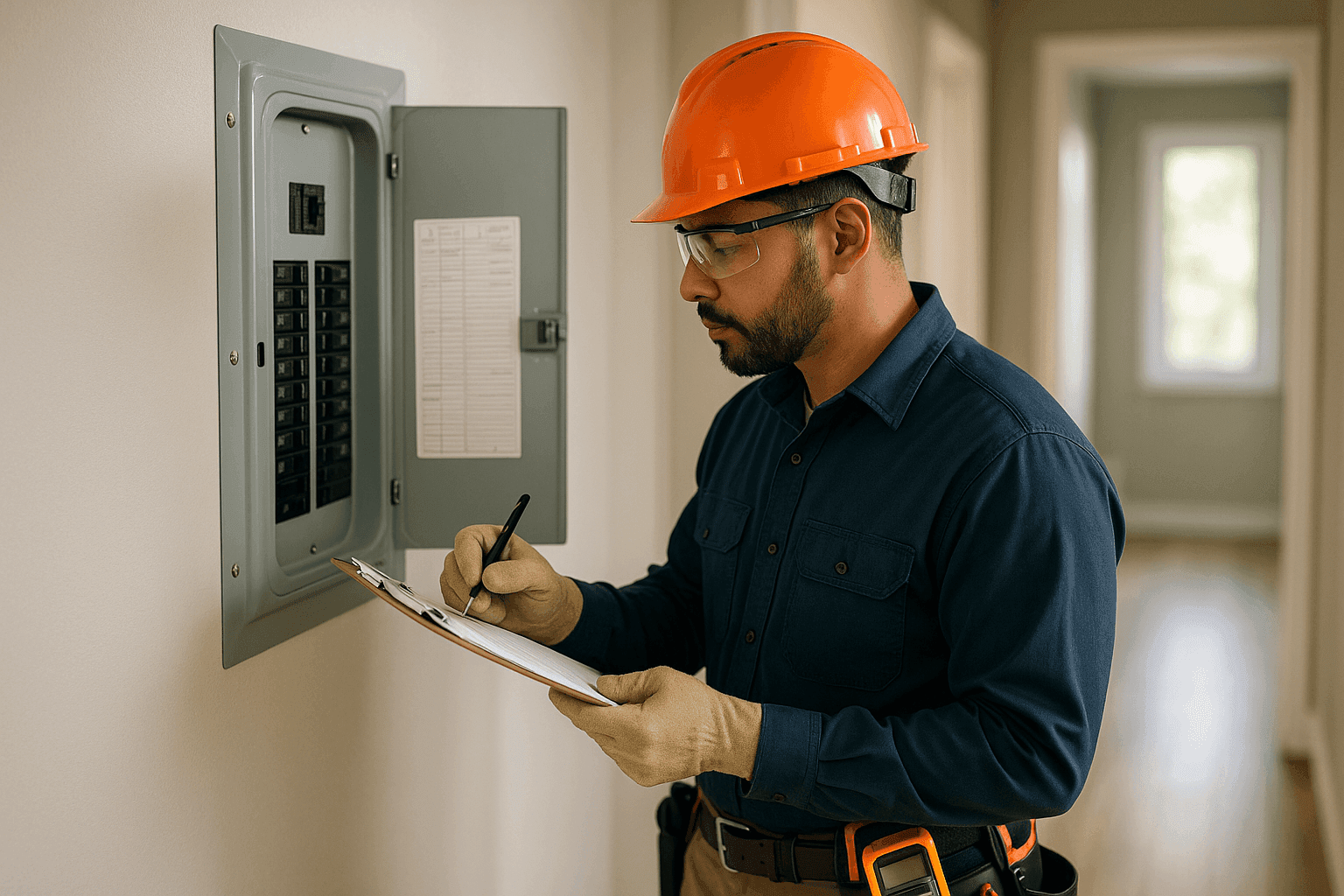
An electrical safety inspection is like a health checkup for your home’s wiring and power systems. A licensed electrician examines everything—outlets, switches, panels, wiring, and more—to catch issues before they cause shocks, fires, or outages.
Think of it as a detective’s investigation. The electrician follows clues left by worn cables, damaged outlets, or outdated panels. Each inspection follows local building codes and safety guidelines, including standards from the National Electrical Code (NEC) and the Electrical Safety Foundation International (ESFI).
Key benefits of regular electrical safety inspections:
- Prevents electrical fires and shocks.
- Identifies outdated or dangerous wiring.
- Improves insurance compliance—many providers require up-to-date inspections.
- Offers peace of mind, knowing your family and property are safe.
When Should You Schedule an Inspection?
You don’t need a degree in electrical engineering to know when to call for help. Here are common triggers:
- Buying or selling a home.
- After renovations or major appliance installations.
- If your home is 25+ years old.
- Following severe storms or flooding.
- When you notice repeated breaker trips, sizzling outlets, or lights dimming unexpectedly.
Common Issues Found During Inspections ⚡
An experienced electrician knows what trouble looks like. Here’s what we often uncover during electrical safety inspections near you:
- Frayed or damaged wiring—sometimes gnawed by rodents or corroded from moisture.
- Overloaded circuits, especially in kitchens, bathrooms, or older homes.
- Out-of-date fuse boxes or panels that no longer meet today’s demands.
- Ungrounded outlets (common in older properties).
- Faulty breakers that don’t trip when they should.
- Improperly installed ceiling fans or light fixtures.
- Neglected smoke and carbon monoxide detectors past their expiration dates.
Sometimes, the issues are clear. Other times, it takes the trained eye of a licensed electrician to find hidden risks that could spark a fire or put your family in danger.
How to Prepare for an Inspection
Making your home ready for an electrical safety inspection is simple. Preparation helps the electrician work efficiently and ensures nothing gets missed.
Quick checklist:
- Clear access to electrical panels, outlets, and switches.
- Move furniture away from areas where wiring or outlets need checking.
- Make a list of electrical problems you’ve noticed (flickering lights, buzzing, shocks, etc.).
- Have recent renovation paperwork or appliance manuals handy.
You don’t need to clean obsessively. Just make sure all key areas are easy to reach. If you have pets, plan to keep them secured for everyone’s safety.
Post-Inspection Steps: What Happens Next?
After your inspection, the electrician will walk you through their findings. You’ll receive a detailed report outlining any issues, safety hazards, or code violations—plus recommendations for repairs or upgrades.
Next steps usually include:
- Addressing urgent hazards first (like exposed wiring or faulty breakers).
- Scheduling non-urgent repairs for minor issues.
- Upgrading old outlets, switches, or panels if needed.
- Replacing expired smoke/carbon monoxide detectors.
Keep your inspection report with your home records. It’s valuable for insurance claims, home sales, and peace of mind.
Quick Safety Checklist for Homeowners
Want to stay one step ahead? Use this list between professional inspections:
- Test smoke and carbon monoxide detectors monthly.
- Check all outlets for signs of discoloration, buzzing, or warmth.
- Watch for flickering or dimming lights.
- Note if any breakers trip repeatedly.
- Avoid overloading power strips or outlets.
- Replace old extension cords with new, high-quality ones.
- Schedule professional inspections every 3–5 years—or sooner if you notice issues.
A little vigilance goes a long way.
DIY vs. Call a Pro: Know Your Limits
Changing a light bulb? Fine. Replacing a breaker or rewiring a switch? That’s a different story. Electricity is unforgiving, and mistakes can be deadly.
Jobs best left to a certified electrician:
- Rewiring, panel upgrades, or installing new circuits.
- Troubleshooting frequent breaker trips.
- Installing ceiling fans, EV chargers, or major appliances.
- Running new wiring for renovations or additions.
- Anything involving high-voltage or outdoor systems.
Even minor repairs can have hidden dangers. All IHG Electric electricians hold up-to-date certifications and follow national and local electrical codes. Safety comes first—always.
What Pros Do On Arrival
When an electrician from IHG Electric arrives, they bring more than a toolbelt. They bring a methodical process:
- Visual inspection: Looking for obvious hazards, damaged equipment, or code violations.
- Testing: Using meters to check voltage, circuit integrity, and breaker function.
- Load assessment: Ensuring your system isn’t overloaded, especially after adding new appliances or features.
- Safety device checks: Verifying smoke and carbon monoxide detectors, GFCI/AFCI outlets, and surge protection devices.
- Report and recommendations: Clear, straightforward advice—no scare tactics, just facts.
Expect the visit to take 1–3 hours, depending on your home’s size and complexity.
Prevention & Maintenance: Building a Safer Home 🏠
Electrical safety isn’t a one-and-done task. Like changing smoke detector batteries or servicing your HVAC, routine electrical maintenance keeps your home running smoothly.
Tips for ongoing safety:
- Schedule regular inspections, especially before storm season or holiday decorating.
- Upgrade old wiring and panels to handle modern loads.
- Install surge protection for sensitive electronics.
- Test GFCI outlets in kitchens, bathrooms, and outdoor areas monthly.
- Invest in quality extension cords and avoid daisy-chaining power strips.
Following industry guidelines from the National Fire Protection Association (NFPA) and ESFI can help prevent most electrical hazards at home.
Costs & Time Factors
Worried about the price? Electrical safety inspections are an investment in your home’s future. Most routine inspections are affordable, especially compared to the cost of fire damage or emergency repairs.
What impacts cost and time:
- Home size and age.
- Number of electrical panels or subpanels.
- Complexity (additions, pools, spas, EV chargers, etc.).
- Urgency—emergency or after-hours inspections may cost more.
On average, plan for a few hours of your time. The peace of mind is worth it.
When It’s an Emergency
Sometimes, waiting isn’t an option. Call a licensed electrician immediately if you notice:
- Burning smells from outlets or panels.
- Sparking, smoking, or buzzing from electrical equipment.
- Water damage near wiring after storms or leaks.
- Repeated breaker trips that reset immediately.
- Shocks when touching appliances or switches.
IHG Electric offers 24-hour emergency service for just these moments. Don’t risk your safety—act fast.
FAQ: Common Questions
How often should I get an electrical inspection?
Every 3–5 years, or after major renovations, appliance upgrades, or if your home is over 25 years old.
What if my home “seems fine”?
Hidden hazards are just that—hidden. Inspections find problems before they become disasters.
Can I do my own inspection?
Visual checks are helpful, but only a certified electrician can safely test wiring, breakers, and circuits.
Will my insurance require an inspection?
Many insurance providers request proof of recent electrical safety inspections, especially for older homes or after claims.
Local & Seasonal Considerations 🌩️
Storm season brings power surges and water damage risks. Before summer storms or winter holidays, have your system checked—especially if you’re plugging in extra lights, space heaters, or outdoor equipment.
Pool, spa, and outdoor circuits need special attention. So do EV chargers and backup generators. If you’re in an area prone to lightning or flooding, ask about surge protection and waterproofing measures.
Final Thoughts
Electrical safety is more than a checklist—it’s about protecting your home, your family, and your peace of mind. Certified, up-to-date electricians follow strict industry standards to keep you safe, now and for years to come.
Call IHG Electric now — or reach us anytime at 877-327-7704 .