The Real Cost to Rewire a House: What Homeowners Should Expect
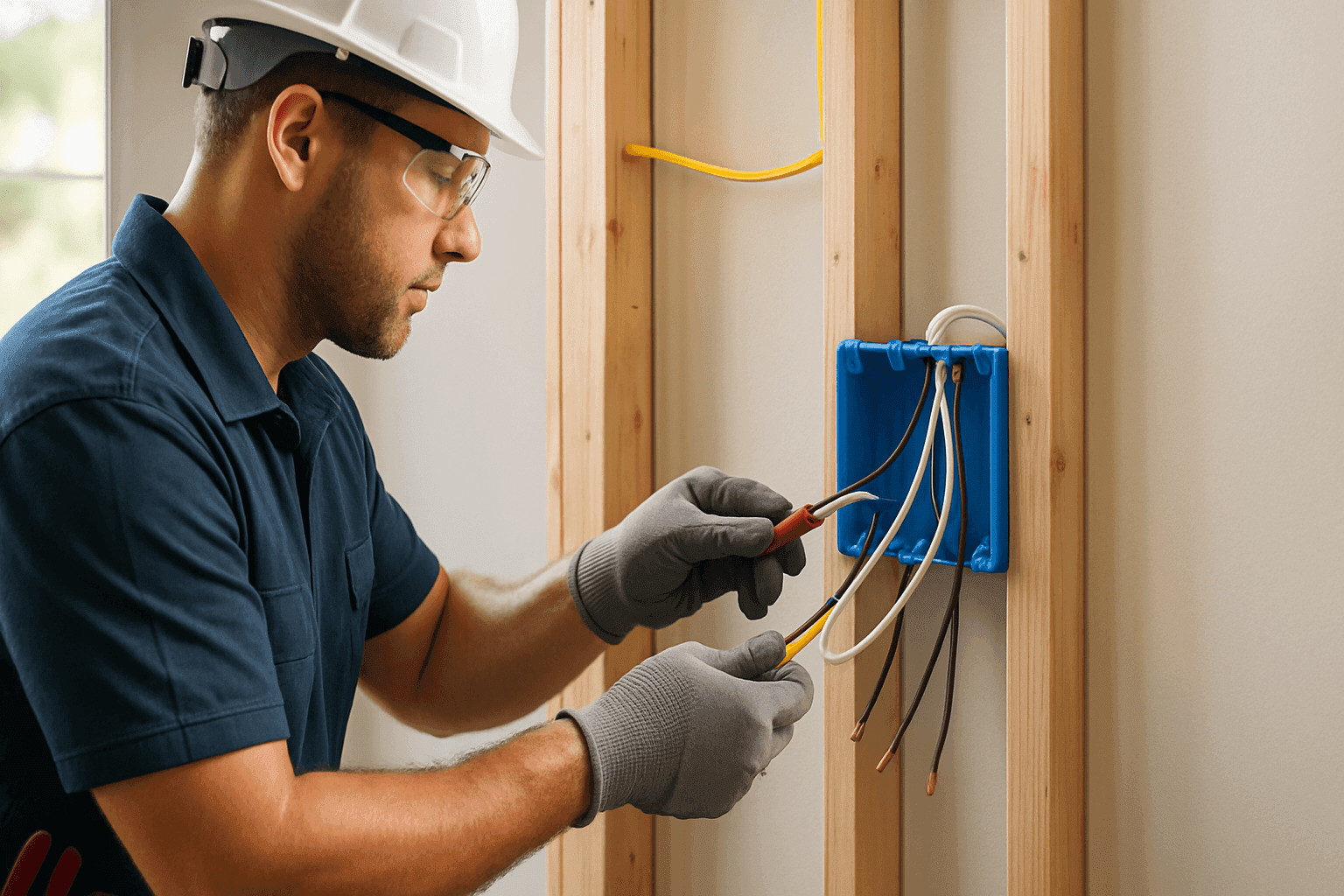
When it comes to your home’s electrical wiring, “out of sight, out of mind” is a risky mindset. Wires age quietly behind your walls. Small faults can smolder for years, then spark into a much bigger problem. At IHG Electric, we know homeowners want peace of mind—without surprises on cost or disruption.
Rewiring isn’t just a technical job. It’s about protecting your family, meeting safety codes, and making sure your home’s heart keeps beating for decades to come. But what should you really expect if your house needs rewiring? Let’s break it down together.
Signs Your Home Needs Rewiring ⚡
Knowing when your home needs new wiring can save you from headaches—and much worse. Watch for these red flags:
- Frequent blown fuses or tripped breakers
If you’re flipping breakers often, your circuits may be overloaded or deteriorating. - Flickering or dimming lights
Lights that waver or go dim when you use appliances could mean faulty wiring. - Outlets or switches that feel warm, buzz, or spark
Heat, noise, or sparks are urgent warning signs—don’t ignore them. - Aluminum wiring
Many homes built in the 1960s–70s used aluminum wire, which is more likely to overheat or loosen. - Old or fraying wires
If you see cloth-wrapped or brittle insulation, it’s time for a closer look. - Burning smells or discoloration
A burning odor or dark marks on outlets demand immediate attention.
The National Fire Protection Association (NFPA) and Electrical Safety Foundation International (ESFI) both recommend routine electrical safety inspections—especially for homes over 40 years old or after major renovations.
What Influences Rewiring Costs?
Every home is unique. The price tag for rewiring can swing wildly based on several key factors:
1. Home Size & Layout
A small bungalow costs much less to rewire than a sprawling two-story house. More rooms, more circuits, more labor.
2. Age and Accessibility
Older homes might have plaster walls, tight crawlspaces, or tricky attics. The harder wires are to reach, the more time (and cost) it takes.
3. Materials and Upgrades
Copper wire is the standard for most homes, but prices fluctuate. Modern safety upgrades—like arc-fault breakers or additional outlets—can add to the total.
4. Labor Costs
Licensed electricians charge for time and skill. Cutting corners here can mean risky shortcuts. Always hire a certified electrician for safety and compliance.
5. Permits & Inspections
Local codes require permits and sometimes multiple inspections. These fees protect you and ensure the work’s up to code.
6. Additional Features
Adding new circuits, smart home upgrades, surge protection, or backup generators? Each new feature adds hours and materials.
Pro Tip: Always ask for a detailed written estimate. Hidden fees can lurk in vague quotes—clear communication up front saves frustration later.
The Rewiring Process Explained
Not sure what actually happens when your home gets rewired? Let’s pull back the curtain.
-
Initial Assessment
Your electrician will inspect your current wiring, outlets, and panel. They’ll look for code violations, safety hazards, and map out the circuits. -
Planning & Permits
Before work begins, permits are secured and a plan is drawn up—often including a load calculation to ensure your new system can handle modern demands. -
Accessing the Wires
Sometimes, this means opening walls, floors, or ceilings. Experienced electricians minimize damage and patchwork, but some holes are unavoidable. -
Running New Wire
Old wires are replaced with new copper—each circuit carefully labeled and tested. -
Upgrading the Panel
If your breaker box is outdated or undersized, it may be replaced. This is also the time to add surge protection or dedicated lines for appliances. -
Testing & Inspections
Every outlet, switch, and fixture is tested. Local inspectors verify the work before walls are patched up. -
Cleanup & Restoration
Holes are closed, and your home is left tidy. It might feel like major surgery, but in skilled hands, disruption is kept to a minimum.
Budgeting and Planning Tips 💡
No one likes surprise bills. Here’s how to keep your rewiring project on track:
- Schedule Electrical Safety Inspections near you before starting
This helps pinpoint what really needs attention. - Get multiple detailed quotes from certified electricians
Compare not just price, but scope—what’s actually included? - Ask about permits and inspection fees up front
- Plan for patchwork and paint
Consider timing with other home projects. - Minimize disruption
Discuss a phased approach—one area at a time—so your family’s routine isn’t turned upside down. - Set aside a contingency fund
Sometimes, hidden issues are only revealed once walls are opened.
Why Certified Electricians Matter
Would you trust your car’s brakes to just anyone? The same logic applies to your home’s wiring. Only hire electricians who are fully licensed and familiar with the latest National Electrical Code (NEC) guidelines. This protects your safety, insurance, and resale value. The cheapest bid isn’t always the best value—especially when it comes to safety.
Long-Term Benefits of Rewiring
Upgrading your home’s wiring is an investment. Here’s why it pays off:
- Peace of Mind
Eliminate fire hazards and avoid surprise outages. - Insurance Savings
Some providers offer better rates for homes with updated electrical systems. - Modern Convenience
Add outlets, USB chargers, or smart home features. - Increased Home Value
Buyers see new wiring as a major plus.
Tips for Minimizing Disruption
- Plan ahead: Move valuables and fragile items away from work areas.
- Communicate: Work with your electrician to schedule rooms in a way that fits your lifestyle.
- Protect pets and kids: Keep them safely away from open walls and tools.
- Stay flexible: Some days may be noisier or messier than others, but progress moves fast with the right crew.
Frequently Asked Questions
How long does rewiring a whole house take?
Most average-size homes take 3–10 days, depending on accessibility and extra upgrades.
Will I need to move out during rewiring?
Not always. Many families stay home, with work staged room-by-room. Talk with your electrician about your options.
Is rewiring covered by homeowners insurance?
Usually not unless it’s required after a covered loss. Check your policy or ask your agent.
Does rewiring add value to my home?
Absolutely. Updated wiring reassures buyers and can boost resale value, especially in older homes.
Budget Ranges: What Should You Expect?
Costs vary widely. As a rough guide, rewiring a typical home can range from several thousand to tens of thousands, depending on all the factors above. Larger homes or those with special needs (like pools, spas, or home automation) may be at the higher end.
Regional labor rates and material costs change, too. Always get a thorough, written estimate before beginning any project.
Local and Seasonal Considerations
Weather and season can impact scheduling. In colder months, attic and crawlspace work might slow down. Power outages can be more disruptive in winter. Plan rewiring when your family’s schedule is flexible, and ask about emergency electrical service availability in your area.
References
- National Fire Protection Association (NFPA)
- Electrical Safety Foundation International (ESFI)
- National Electrical Code (NEC) guidelines
Rewiring your home is a big step, but it’s one that pays back in safety, comfort, and peace of mind for years to come. Want clear answers, honest pricing, and work done right?
Call IHG Electric now — or reach us anytime at 877-327-7704 .