How to Troubleshoot Common Home Electrical Problems Safely
Is your living room suddenly dark? Did your phone charger stop working in its favorite outlet? We’ve all been there—the little electrical hiccups that can leave you puzzled, inconvenienced, or even worried for your family’s safety.
At IHG Electric, we know that home electrical issues can turn an ordinary day upside down. Whether it’s a breaker that won’t stay on or a light that flickers like a candle in the wind, knowing how to respond safely is essential. Here’s a practical, step-by-step guide to help you troubleshoot the most common electrical problems at home—without biting off more than you can chew.
Most Common Electrical Problems at Home ⚡
Electrical glitches rarely announce themselves. They creep in quietly, sometimes hinting, sometimes shouting. Here are the household issues we see most:
- Dead Outlets: You plug in your coffee maker—nothing. No power, no buzz.
- Tripping Circuit Breakers: Suddenly, everything on one side of the house goes dark. You find yourself at the breaker panel, flipping switches, hoping for a fix.
- Flickering Lights: That living room lamp blinks, then glows, then blinks again—like it’s sending Morse code.
- Faulty or Warm Switches: You notice a switch that feels loose, sticky, or strangely warm to the touch.
- Burning Smell or Sparks: The faint scent of something burning, or a tiny spark when you flip a switch, can send your heart racing.
- Unusual Sounds: Outlets or switches that buzz, crackle, or hum—never normal.
All of these can point to faulty wiring, overloaded circuits, worn-out components, or bigger electrical system problems.
Safety Precautions Before You Start
Before you even touch a switch or outlet, remember: electricity is invisible and unforgiving. Like crossing a busy street, you need to look both ways and follow the rules.
- Turn Off Power: Always shut off the circuit at the breaker box before touching outlets or switches. No exceptions.
- Use Insulated Tools: Only use tools with insulated handles. Never improvise with kitchen utensils.
- Dry Hands, Dry Surfaces: Moisture plus electricity equals danger. Work in dry conditions.
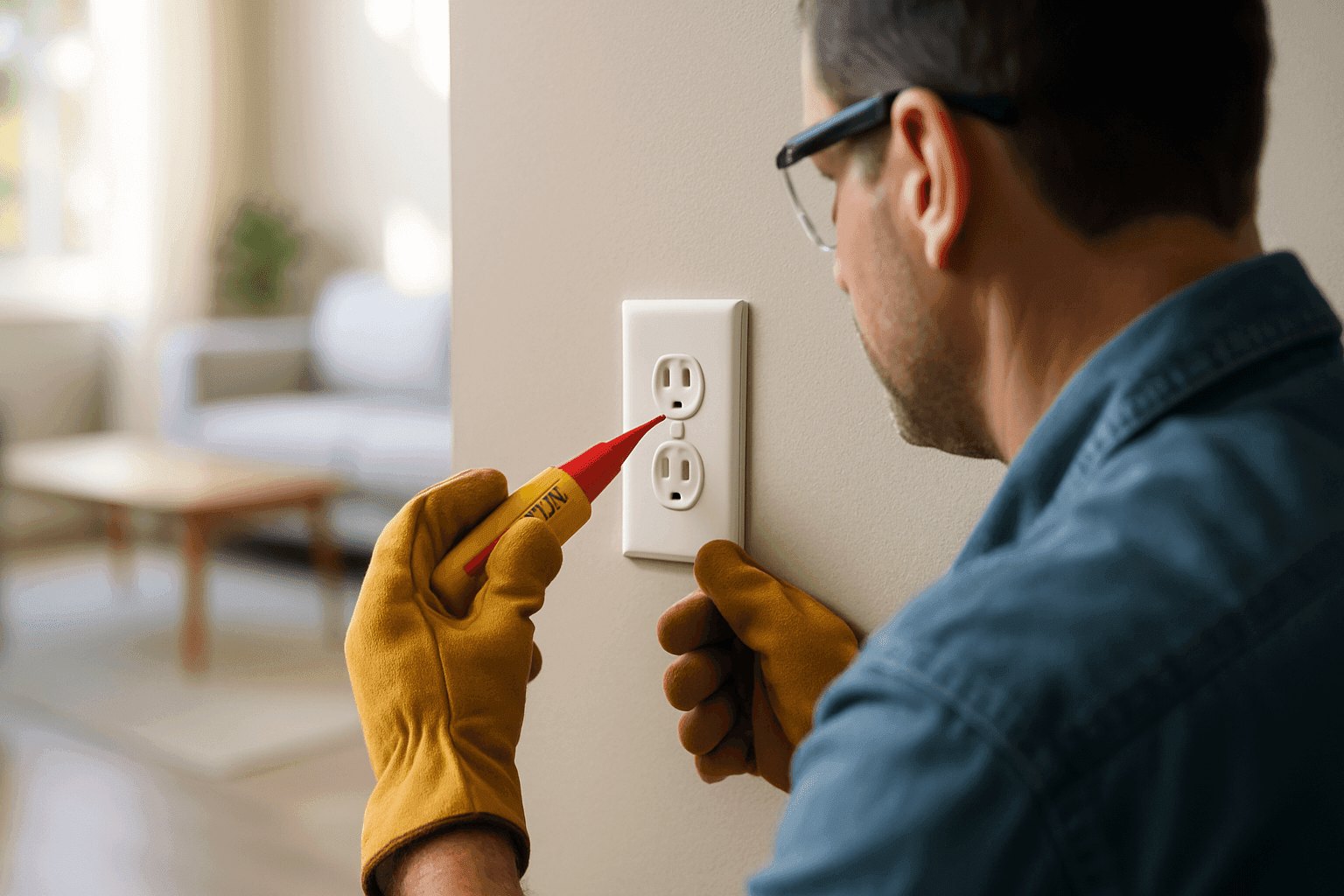
- Test First: Use a non-contact voltage tester to double-check that the power is off before starting.
- Never Touch Bare Wires: If you see exposed wiring, stop and call an electrician.
- Work in Daylight: If possible, avoid troubleshooting electrical issues in the dark, even if it means waiting until morning.
When in doubt, step back. There’s no shame in calling for help—only wisdom.
Step-by-Step Troubleshooting
Let’s break down what you can safely check at home. Think of this as detective work—look for clues, but don’t try to solve the whole mystery if it gets tricky.
Dead Outlets
- Check Other Outlets: Plug a working lamp into different outlets. If only one is dead, it may be a simple fix.
- Reset GFCI: Kitchens, bathrooms, and garages often use GFCI outlets. Press the “reset” button and test again.
- Check the Breaker: Open your panel and look for a tripped breaker. Flip it fully off, then back on.
- Look for Obvious Damage: Smell burning? See scorch marks? Stop and call an electrician.
Tripping Breakers
- Unplug Devices: Too many appliances on one circuit can overload it. Unplug, reset, and add devices back one at a time.
- Check for Water: Moisture in outlets (from leaks or spills) can trip breakers. Do not touch—call a pro.
- Persistent Trips: If the breaker won’t stay on, there’s likely a deeper issue.
Flickering Lights
- Tighten Bulbs: Sometimes, it’s as simple as a loose bulb.
- Try Another Lamp: Move the bulb to a different fixture to rule out a bad bulb.
- Check Switch or Fixture: If flickering continues, the switch or wiring may need attention.
Faulty Switches
- Feel for Heat: A warm switch could mean overloaded wiring. Turn off at the breaker and call for assessment.
- Loose Plates: Tighten screws if the switch plate wiggles, but never touch wires.
When to Call a Pro
Here’s the golden rule: If your troubleshooting doesn’t solve the problem, or you feel unsure at any point, it’s time to call an electrician. Some jobs need more than a flashlight and a screwdriver—they need years of training and the right gear.
Call IHG Electric if you notice:
- Repeated breaker trips
- Burning smells or smoke
- Sparking or buzzing
- Outlets or switches that are hot
- Any sign of wiring damage
- Loss of power in large parts of your home
Remember, what looks simple could hide a much bigger electrical hazard behind the walls.
What Electricians Do On Arrival
When an electrician arrives, they’ll:
- Inspect the Area: Using voltage testers, circuit tracers, and visual checks, we pinpoint the cause.
- Check for Code Compliance: We compare your setup to the National Electrical Code for safety.
- Test Components: Outlets, switches, and breakers are tested for function and safety.
- Recommend Repairs: If needed, we’ll explain what’s wrong and what needs to be fixed—no guesswork.
This isn’t just about fixing what’s broken. It’s about keeping your home—and everyone in it—safe.
Prevention & Maintenance 🛠️
An ounce of prevention is worth a pound of repairs. Here’s how you can keep small issues from turning into big trouble:
- Schedule Regular Electrical Safety Inspections near you: Annual checks catch problems early.
- Don’t Overload Circuits: Spread out your devices; avoid daisy-chaining power strips.
- Replace Frayed Cords: Damaged appliance cords can spark or shock.
- Test GFCI Outlets Monthly: Press the “test” and “reset” buttons to ensure GFCIs are working.
- Install Smoke and Carbon Monoxide Detectors: Change batteries twice a year.
Following these steps keeps your home’s electrical system healthy and reduces the risk of fires or shocks.
Costs & Time Factors
Electrical repairs can range from quick fixes to more involved upgrades. Here’s what to expect:
- Simple Fixes: Replacing switches or outlets may take less than an hour.
- Moderate Repairs: Replacing circuit breakers or running new wiring can take several hours.
- Complex Problems: Rewiring, panel upgrades, or major troubleshooting might span a day or more.
Costs vary based on materials, time, and the nature of the issue. Investing in professional help protects your home and can save you money in the long run by preventing bigger problems.
When It’s an Emergency
Some electrical issues can’t wait:
- You smell burning or see smoke
- There’s a visible spark or fire
- Power loss affects critical appliances (like medical equipment)
- Flooding has impacted outlets or wiring
In these cases, shut off the main breaker if it’s safe, leave the house, and call emergency services. Then, contact IHG Electric for rapid, 24-hour emergency service.
FAQ
Q: My outlet suddenly stopped working. Is it dangerous?
A: It might be harmless, like a tripped GFCI, or it could mean a wiring issue. If resetting the breaker or GFCI doesn’t fix it, get an electrician to check it.
Q: Why do my lights flicker when the AC turns on?
A: Large appliances can cause voltage drops. Occasional flicker is normal, but if it’s frequent or severe, your wiring or breaker might need an upgrade.
Q: Is it safe to fix a warm light switch myself?
A: No. Warm switches can be a sign of overheating. Turn off the breaker and call a licensed electrician.
Q: How often should I schedule an Electrical Safety Inspection?
A: The Electrical Safety Foundation International recommends a full inspection every 3–5 years, or when moving into a new home.
Local & Seasonal Considerations 🌦️
Weather and local conditions can affect your electrical system:
- Storms: Power surges and outages are more common during storms. Consider surge protection and backup generators.
- Humidity: In some areas, moisture can seep into outlets and wiring, increasing risk of shorts.
- Old Homes: Older wiring (like knob-and-tube or aluminum) is more prone to problems and may need upgrading.
IHG Electric offers inspections and maintenance tailored to your home’s age, size, and location.
Is your home’s electrical system acting up—or are you just ready for peace of mind? Call IHG Electric now — or reach us anytime at 877-327-7704 . Stay safe, stay powered!